

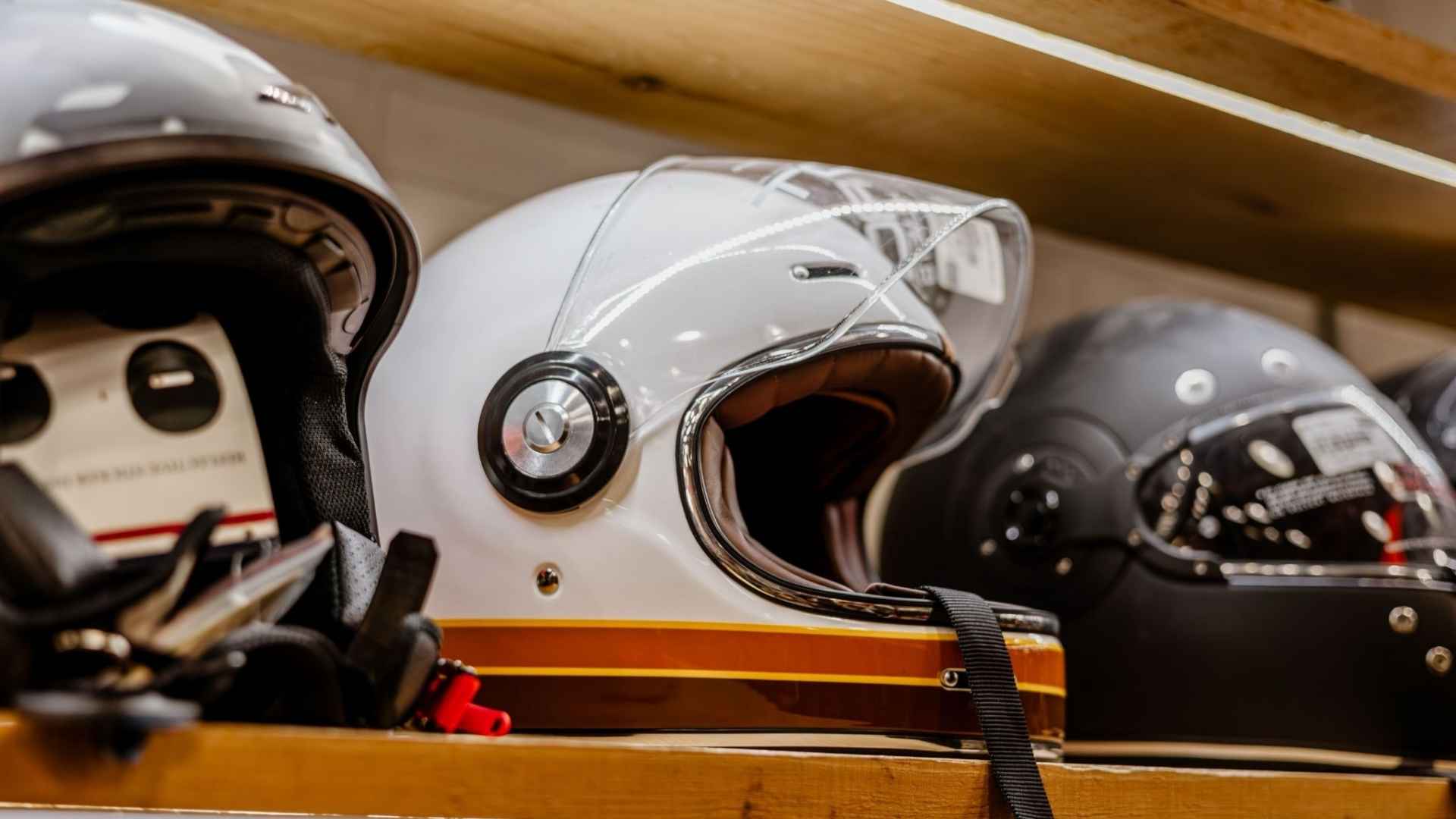
New York takes motorcycle helmet laws seriously. The state was the first in the country to require motorcycle helmets, and today New York law generally requires every motorcycle operator and passenger to wear a compliant helmet.
But what happens if you were injured in a motorcycle accident while riding without a helmet? Many riders assume they’ve lost their right to compensation. That’s not necessarily true. Here’s what New York’s motorcycle helmet law requires and how helmet use can affect your motorcycle accident claim.
What Does New York’s Motorcycle Helmet Law Require?
New York’s motorcycle helmet requirements are found in Section 381 of the state’s Vehicle and Traffic Law. The law addresses who must wear a helmet, what standards the helmet must meet, and the penalties for violating the requirement.
Who Must Wear a Helmet in New York?
Under Vehicle and Traffic Law § 381(6), it is unlawful to operate or ride upon a motorcycle without wearing a protective helmet that meets federal safety standards. The requirement generally applies to motorcycle operators and passengers regardless of age or riding experience. The statute does provide a limited exemption for certain participants in parades or public exhibitions when a permit has been issued.
New York’s universal motorcycle helmet requirement is stricter than the laws in many states, where helmet requirements may apply only to younger riders.
What Counts as a Legal Motorcycle Helmet?
New York requires a motorcycle helmet that meets Federal Motor Vehicle Safety Standard No. 218, commonly known as FMVSS 218. New York’s DMV describes compliant motorcycle helmets as helmets meeting USDOT federal safety standards.
A novelty helmet, skull cap, or other headgear that does not meet the applicable federal standard may not satisfy New York’s helmet law. New York also requires motorcycle operators to wear approved goggles or a face shield under a separate provision of Vehicle and Traffic Law § 381(7).
What Are the Penalties for Riding Without a Helmet?
Violating New York’s motorcycle equipment law can result in a fine of up to $100, up to 30 days in jail, or both.
For an injured rider, however, the traffic penalty may be only part of the concern. The bigger question is how not wearing a helmet could affect a motorcycle accident injury claim.
How Does Not Wearing a Helmet Affect Your Injury Claim?
Helmet use can become an issue in a New York motorcycle accident claim when a rider suffers injuries that might have been prevented or reduced by helmet use. The law does not simply treat the absence of a helmet as a reason to throw out the entire claim.
You Can Still File a Motorcycle Accident Claim
Riding without a helmet does not automatically bar you from bringing a personal injury claim. If another driver’s negligence caused the motorcycle crash, you generally retain the right to seek compensation for injuries caused by that negligence.
That right matters more for motorcyclists than for almost anyone else on the road. As we explain in our guide on what to do after a motorcycle accident in New York, riders are generally excluded from New York’s no-fault system, which means a claim against the at-fault driver is often the primary path to recovering medical expenses and lost income.
The Helmet Issue Concerns Damages, Not Who Caused the Crash
Failing to wear a helmet did not cause another driver to run a red light, make an unsafe turn, or otherwise cause a collision. New York courts have treated helmet nonuse as an issue involving the extent of damages rather than comparative fault for causing the accident.
In other words, the other side may argue that wearing a helmet would have prevented or reduced particular injuries, especially head or facial injuries. If that argument is supported by sufficient evidence, it may affect the amount of damages recoverable for those injuries. It does not automatically make the rider responsible for causing the crash.
Who Has to Prove That a Helmet Would Have Helped?
The defendant generally bears the burden of proving that wearing a helmet would have prevented or reduced the injuries at issue. New York courts have specifically recognized that the defendant must establish the connection between helmet nonuse and the claimed injuries.
That means it is not enough for an insurance adjuster simply to point out that you were not wearing a helmet. The evidence must address whether helmet use would actually have prevented or reduced particular injuries. Injuries unrelated to the protection a helmet could provide present a different question.
This is separate from New York’s pure comparative negligence rule. If a rider’s own conduct contributed to causing the collision, such as speeding or making an improper lane change, the rider’s recovery may be reduced according to their percentage of fault.
What Damages Can You Recover If You Were Not Wearing a Helmet in New York?
Not wearing a helmet does not automatically prevent an injured motorcyclist from recovering compensation in New York. The key question is whether the absence of a helmet caused or increased a particular injury. If the evidence does not establish that a helmet would have prevented or reduced an injury, helmet nonuse does not automatically eliminate damages for that injury.
Medical Bills and Lost Income
An injured rider may still seek compensation for medical expenses, lost wages, and other economic losses caused by the crash. The fact that you were not wearing a helmet does not by itself eliminate those damages. The defense may focus on whether helmet use would have changed the severity of a particular injury rather than whether you are entitled to compensation for the entire accident.
Pain and Suffering
Pain and suffering damages can also be part of a motorcycle accident claim. If the defendant cannot establish that wearing a helmet would have prevented or reduced the injuries causing your pain and suffering, helmet nonuse does not automatically eliminate those damages.
Injuries a Helmet Could Not Have Prevented
A motorcycle helmet is designed primarily to protect the head. If your crash caused a broken leg, shoulder injury, internal injury, or other harm unrelated to the protection a helmet provides, the defendant still must establish a connection between helmet nonuse and the particular injury before using the helmet issue to reduce your damages.
The exact impact depends on the injuries, medical evidence, and circumstances of the crash. New York courts place the burden on the defendant to prove that helmet use would have prevented or reduced the injuries at issue.
Helmet Nonuse vs. Comparative Negligence
These are two different issues in a New York motorcycle accident claim.
| Issue | What it means |
| Comparative negligence | Your conduct contributed to causing the crash, such as speeding or making an unsafe lane change. Your damages may be reduced according to your share of fault. |
| Helmet nonuse | The argument is that not wearing a helmet increased the severity of an injury. The defendant must establish that wearing a helmet would have prevented or reduced the particular injury. |
Understanding the difference matters because an insurance company may try to use helmet nonuse as a broader argument about your responsibility for the accident. New York law does not automatically treat the two issues the same way.
Speak to a Motorcycle Accident Lawyer in New York
Once an adjuster starts pointing to your helmet to shrink your claim, it’s time to get legal advice. The helmet defense has to be proven with evidence, and you only have so long to act: generally three years to file a lawsuit in New York, and as little as 90 days to file a notice of claim against a public entity.
The New York motorcycle accident lawyers at Hiller Comerford Injury & Disability Law know how insurers use the helmet argument and what it takes to defeat it. We handle every case on contingency, so your consultation is free and you pay nothing unless we win. Call us today or reach out to us through our contact page to talk through your claim.
Frequently Asked Questions
Riders across New York ask many of the same questions about motorcycle helmet laws and personal injury claims. Here are quick answers to the most common ones.
Is it illegal to ride a motorcycle without a helmet in New York?
Yes. Vehicle and Traffic Law § 381(6) generally requires motorcycle operators and passengers to wear a protective helmet that meets federal FMVSS 218 standards. The law also provides a limited exemption for certain participants in permitted parades or public exhibitions.
Can I still recover compensation if I wasn’t wearing a helmet?
Generally, yes. Not wearing a helmet does not automatically eliminate a personal injury claim against a driver whose negligence caused the motorcycle accident. The other side may argue that helmet use would have prevented or reduced particular injuries, but New York courts treat that as an issue concerning damages rather than comparative fault for causing the collision.
Does riding without a helmet make the accident my fault?
No. Helmet nonuse does not by itself establish that you caused the motorcycle accident. New York courts have distinguished helmet use from comparative fault for causing a collision. However, if your own conduct contributed to the crash, New York’s comparative negligence rules can reduce your recovery based on your share of fault.
Do New York helmet laws apply to motorcycle passengers?
Yes. Vehicle and Traffic Law § 381(6) applies to anyone operating or riding upon a motorcycle, so passengers generally must wear compliant helmets too. Motorcycle operators must also wear approved goggles or a face shield under § 381(7).
How much does it cost to hire a motorcycle accident lawyer in New York?
You won’t pay anything out of pocket. The attorneys at Hiller Comerford work on a contingency fee basis, meaning the fee is a percentage of whatever we recover for you, and it only gets paid if your case succeeds. There’s no bill if there’s no recovery, and the initial consultation is free.